
Table of Contents:
- Introduction
- When Are the Top Scenariosto Take Down a Drone?
- Limit Criminal Activities
- Critical Infrastructure Protection
- Emergency Response
- What is the EffectiveWay to Take Down a Drone?
- What are the Benefits of Counter-Drone Defense Technologies?
- Conclusion
- FAQs
Key Takeaways:
- Taking down drones is only permitted when unauthorized UAVs are used for malicious activities, pose a threat to critical infrastructure, and create unnecessary chaos in large public events.
- The effectiveway to take down a drone is to rely on anti-drone defense systems.
- Counter-drone systems ensure precise targeting and limit collateral damage significantly.
Introduction
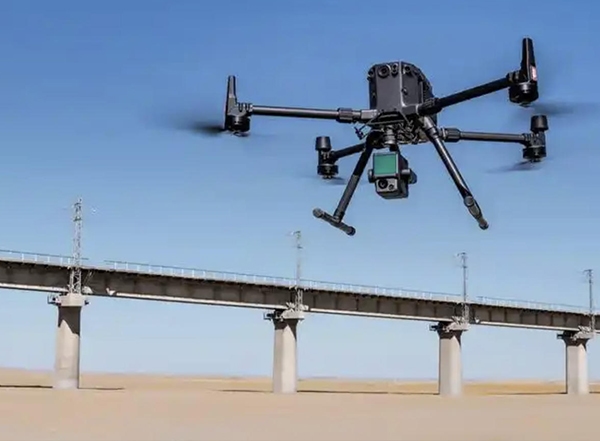
Sighting a drone in the sky has become more common than ever before. No doubt, drones have long been used as a tool for aerial photography, inspections, and surveying. However, their easy accessibility and affordability often make them an instrument for malicious activities, ranging from espionage to explosive dropping and contraband smuggling. As a result, they give rise to security concerns. Recently, a passenger plane was hit by an unauthorized drone at New York’s JFK Airport while landing (Source). Even though no damage was reported, such incidents cannot be overlooked. Here, a critical operational question arises: how to take down a drone? The following section provides a comprehensive analysis.
What are the Top Scenarios to Take Down a Drone?
In most cases, taking down a drone is not triggered until it crosses into threat status. The typical engagement scenarios are as follows:
#1 Limit Criminal Activities
The ready availability of UAVs (Unmanned Aerial Vehicles) makes them a tool for carrying out malicious activities like conducting unauthorized surveillance and smuggling contraband. In such situations, authorized organizations can take down a drone to prevent these incidents.
#2 Critical Infrastructure Protection
Unauthorized drones pose a significant threat to the safety, security, and privacy of critical infrastructure like airports, government buildings, and oil refineries. From dropping explosives to damaging physical properties, rogue UAVs may be misused in several ways. To safeguard such places and enhance airspace security, taking down the drones becomes imperative.
#3 Emergency Response
Consider a large-scale public gathering, such as a concert, where an unauthorized UAV enters the airspace. This incursion disrupts operations and creates a palpable safety risk for attendees. In this case, responding to the situation immediately becomes crucial. That’s why authorized organizations shall employ countermeasures and bring down the drone effectively, restoring public trust and ensuring the smooth continuance of the event.
What is the Effective Way to Take Down a Drone?
As unauthorized drone threats continue to increase, effective interdiction becomes essential. This raises the critical question: how to take down a drone safely and effectively. The answer lies in deploying modern anti-drone defense systems equipped with advanced technologies and algorithms. The counter-drone defense systems basically consist of situational awareness sensors (drone detection unit) and active response effectors (drone countermeasure unit).
The drone detection unit plays a vital role by continuously scanning restricted airspace to detect and track unauthorized UAVs. Upon identification, it triggers real-time alerts to relevant authorities, enabling timely intervention and minimizing potential harm to people and property.
Meanwhile, the drone countermeasure unit disrupts both the communication link and the navigation signals of the rogue UAV. By severing command-and-control connectivity and degrading GNSS-based positioning, it renders the drone incapable of executing its intended mission.
What are the Benefits of Counter-Drone Defense Technologies?
Beyond threat mitigation, what strategic value do counter-UAS systems actually deliver? The following outlines the key operational advantages.
- Enhanced Detection and Neutralization: The advanced drone defense systems reduce the chance of false positives and are capable of accurately identifying the rogue drones and effectively jamming them in real
- Less Collateral Damage: These systems allow for precise targeting, minimizing the risk of potential damage to nearby properties.
- Increased Airspace Security: The drone defense systems successfully bring down unauthorized drones, improve the security of the restricted airspace, and significantly enhance operational efficiency for authorized organizations.
Conclusion
As drone threats continue to escalate, understanding the right approach to handling them is crucial. Knowing how to take down a drone ensures that action remains swift, measured, and responsible. Ready to strengthen your defenses? We provide high-end drone defense systems to effectively detect and counter rogue drones safely and effectively. Reach out to our experienced team, get a clear picture of how the systems work, and avail of the most suitable solutions at competitive prices.
FAQs
Q1: What is required to successfully take down a drone?
A1: Successfully taking down a drone requires the right technology, trained personnel, and a clear operational protocol—all working in concert. The key lies in matching the appropriate countermeasure to the specific threat, ensuring that unauthorized UAVs are neutralized efficiently and using the right approaches to maintain safety and compliance.
Q2: How to reliably detect a rogue drone?
A2: Reliable detection goes beyond simple signal scanning. It involves a layered sensor network—combining radar, RF analyzers, and tracking cameras—to filter out noise and deliver accurate, real-time threat identification with minimal false alarms.
Q3: How to block a drone signal?
A3: RF jamming remains the primary method, but effective disruption requires adaptive techniques tailored to the drone’s communication protocol. Advanced anti-drone systems may also employ GPS spoofing or protocol takeover, allowing operators to not only block signals but also guide rogue drones to a controlled landing.