
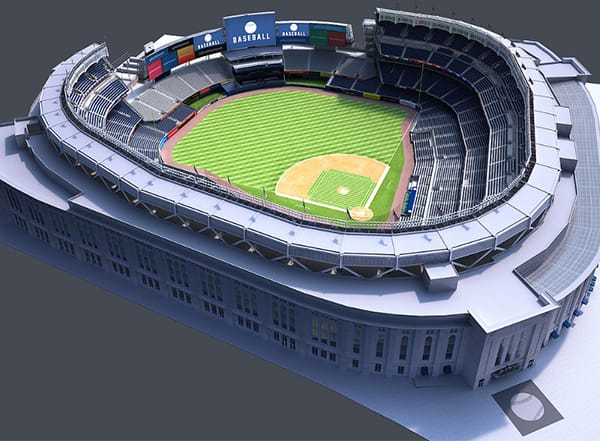
Space Shielding: Implementing Advanced Stadium Drone Detection
For those who think that drones are a futuristic novelty, it’s time to wake up. Drones are no longer a thing of the future, they are a thing of the past, and they have become a part and parcel of our daily lives. From breathtaking aerial photos to rapid package deliveries, these compact devices are used in multiple sectors now and have revolutionized many industries. However, with these benefits come new risks. For instance, in a crowded stadium or a bustling street, a drone is spotted flying suspiciously overhead, and before people can think anything it collides somewhere, causing harm to property and civilian lives.
Sounds dangerous right? To eliminate the evolving drone threats and keep rogue drones at bay from stadiums or any crowded places, counter drone technology has become the need of the hour, and we are going to find out why!
Implementing advanced stadium drone detection has shifted from a luxury to a baseline requirement for any venue hosting more than ten thousand spectators. A modern stadium drone detection framework pairs 3D pulse doppler radar with RF sensors and PTZ thermal cameras to flag unauthorized UAVs the moment they cross the outer perimeter. Unlike generic city surveillance, stadium drone detection must ignore confetti, pyrotechnics, and crowd movement while locking onto a micro-drone hovering. Fixed installations feed all alerts into a single C2 software platform, letting security staff initiate jamming or spoofing within seconds. As large-scale events face rising aerial threats, reliable stadium drone detection not only prevents mid-air collisions but also shields broadcast rights, VIP boxes, and players from surveillance or payload drops. For mobile patrols around the venue, handheld units like ND-BD003 extend this coverage to parking lots and fan zones.
Why Are Drones a Growing Concern?
There’s no denying that drones have become more accessible than ever, and this accessibility has also opened the door to their misuse. UAVs (Unmanned Aerial Vehicles) can accidentally or deliberately disrupt events, violate privacy, or carry out illegal activities. Don’t believe us? Did you know in February 2024, a drone pilot was charged with an illegal flyover at a Baltimore Ravens playoff game? And three drones were seized by the police during Taylor Swift concerts in Liverpool.
In stadiums, drones can cause widespread chaos by flying into restricted airspace or even dropping harmful objects. Similarly, in urban environments, rogue UAVs can be used for spying or smuggling contraband. This is why drone countermeasures are no longer optional; they are a necessity for crowded places as well as sensitive government establishments.
Solutions for Drone Defense
The good news? Just like drone technology has evolved, so have drone countermeasures. Technology is keeping pace with the challenges drones present, and to simplify it for you, here’s a glimpse into some of the most effective tools.
#1 Drone Detection Systems
State-of-the-art drone radar detection systems can be used to identify drones from miles away. These systems can identify drone type, flight path and help security personnel offer a quick and safe response in locations ranging from football stadiums to public rallies.
#2 Drone Jamming Devices
Drone jammers can disrupt communication between drones and their controllers, and this forces the UAVs to land or return to their base. Along with drone trackers, drone jamming devices can prove immensely effective for neutralizing threats before they escalate into full-blown intrusions.
#3 No-Fly Zoon Technology
No-Fly Zoon can be used to set a restricted flight area around sensitive areas like stadiums, airports, and government buildings. If a drone approaches these zones, no-fly zoon can be used to automatically prevent them from entering.
Conclusion
From stadiums to streets, public safety now depends on proactive airspace control. Reliable stadium drone detection allows security teams to intervene before a rogue UAV becomes a headline incident. By combining fixed radar, handheld jammers, and AI-driven analytics, venues can maintain uninterrupted events and protect both spectators and infrastructure. We continue to engineer stadium drone detection solutions that scale from a single concert stage to a national sports league, ensuring every layer of public space stays shielded from low-altitude threats.